
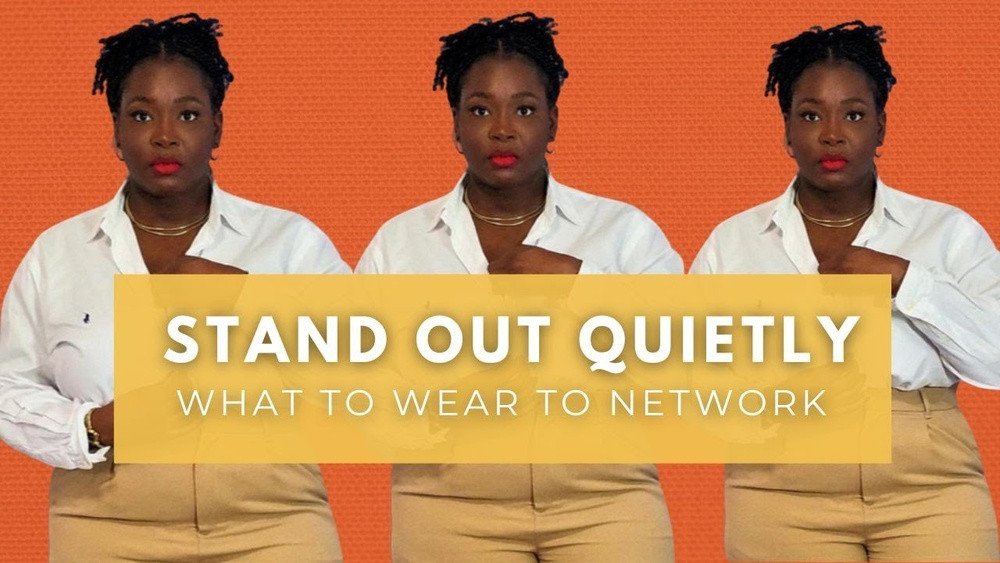
First impressions matter, especially when you’re trying to make valuable connections. You’ve got your elevator pitch ready, your business cards are in hand, but what about your outfit?
The right attire can boost your confidence and signal professionalism, helping you stand out for all the right reasons. But what exactly is the right attire for a professional networking event? It’s a question many face, and the answer isn’t always obvious.
Don’t worry, we’ve got you covered. Keep reading to discover how to dress for success and make your next networking event your most productive one yet.

Credit: www.alarnahope.com.au
Dressing For The Occasion
Dressing for the occasion is crucial. It sets the right tone. Your outfit speaks before you do. It shows respect for the event. It also shows respect for attendees. A thoughtful outfit builds confidence. It helps you make a great first impression.
Decoding The Event’s Vibe
What kind of event is it? Is it formal or casual? Look at the invitation. It might offer clues. If unsure, research the host. What is their usual style? Think about the attendees. Who will be there? A tech conference differs from an art gala. Gauge the atmosphere. This guides your clothing choices.
Industry Standards & Expectations
Different fields have different norms. The finance world is often conservative. Tech events can be more relaxed. Creative industries allow more flair. Consider your industry’s typical dress code. What do people usually wear? You want to fit in. You also want to stand out appropriately. Aim for polished and professional. Avoid being too casual. Avoid being too over-the-top.
Your Personal Brand
Your clothing reflects you. It is part of your personal brand. Choose outfits that feel authentic. They should align with your image. Do you want to appear creative? Or perhaps very reliable? Let your clothes communicate that. Ensure your attire is clean. Make sure it fits well. This shows attention to detail. It reinforces your professional image.
Building Your Professional Wardrobe
Building a professional wardrobe takes effort. It creates a strong first impression. This wardrobe supports your career goals. Invest in pieces that last. Your clothes speak for you. They convey confidence and competence. Start with foundational items. These form the basis of your style.
The Power Of A Well-fitted Suit
A suit is a cornerstone. It signals seriousness. Ensure it fits perfectly. A tailor can help. Sleeves should hit the wrist. Trousers should break slightly. A good suit boosts confidence. It makes you stand out. Consider navy or charcoal. These are classic choices. They suit most skin tones. A well-fitting suit is an investment.
Smart Separates For Versatility
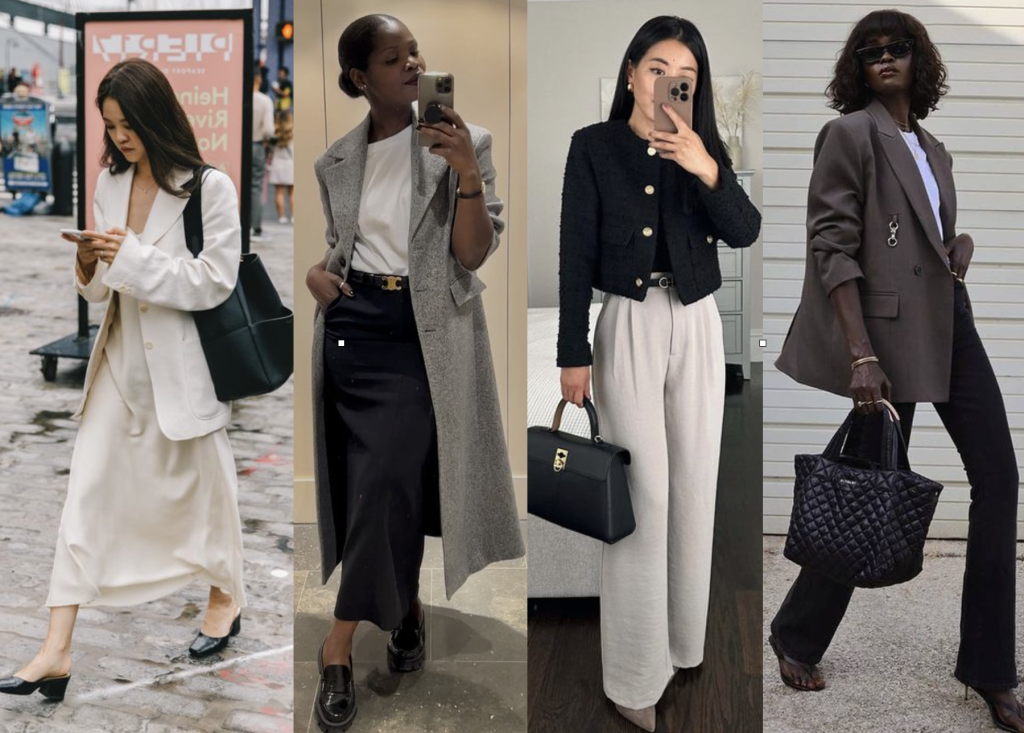
Separates offer flexibility. Mix and match tops and bottoms. A tailored blazer is essential. Pair it with dress pants. Or wear it with a pencil skirt. Crisp button-down shirts work well. Choose neutral colors. These go with everything. A quality blouse adds polish. It elevates any outfit. This approach saves money. It expands your options.
Choosing The Right Fabrics
Fabric quality matters greatly. It affects appearance and comfort. Wool is a great choice. It drapes well. It resists wrinkles. Cotton is breathable. It feels comfortable. Look for natural fibers. They tend to last longer. Avoid shiny or thin materials. They can look cheap. Good fabrics elevate your look. They feel good too.
Color Palette Strategies
Stick to a professional palette. Neutrals are your best friends. Think black, gray, and navy. White and beige are also good. They create a polished look. Add pops of color sparingly. A tie or scarf can work. These add personality. Avoid loud or distracting patterns. Keep it simple. A cohesive color scheme looks intentional. It shows good judgment.
Finishing Touches
Polished accessories complete your look. Subtle jewelry adds a professional flair. A smart watch or classic watch is perfect. These details show you are prepared.
The final details pull your look together. They show you care. These small things make a big impression. They signal professionalism. They boost your confidence.Footwear Fundamentals
Your shoes matter. They complete your outfit. Choose polished, closed-toe shoes. Heels are fine. Flats work too. Make sure they are clean. They should be comfortable for standing. Avoid worn-out soles. Scuffed shoes look unprofessional.Accessories That Speak Volumes
Accessories tell your story. Select them with care. A classic watch is smart. Simple jewelry is best. Avoid flashy pieces. A professional bag or briefcase is good. It holds your essentials. It looks organized.Grooming Essentials
Good grooming shows respect. Hair should be neat. Nails should be clean. Men, consider a clean shave. Women, makeup should be subtle. A light fragrance is okay. Avoid strong perfumes. You want to smell fresh.Comfort Is Key
Feeling good is important. Your clothes should fit well. They should not be tight. You need to move freely. Comfort helps you relax. It lets you focus on people. You can network better. Your confidence shines through.
Credit: www.tood.sa
Credit: meggallagher.com
Frequently Asked Questions
What’s The Best Outfit For Networking?
Opt for business casual attire. A blazer with smart trousers or a skirt works well. For men, a button-down shirt and slacks are a safe bet.
Should I Wear A Suit To Network?
A full suit might be too formal for many events. Business casual strikes the right balance. It shows professionalism without being stiff.
What Colors Are Best For Networking Clothes?
Neutral colors are always a good choice. Think navy, gray, black, or beige. These shades appear polished and approachable.
Can I Wear Jeans To A Networking Event?
Generally, avoid jeans for professional events. Dark, well-fitting jeans might be okay for very casual gatherings. Stick to dress pants or skirts for most occasions.
Conclusion
Dress smart for your next event. Your outfit makes a strong first impression. Choose something polished and comfortable. It shows confidence. Feel good in what you wear. Networking success starts with you. Your look matters. Be prepared. Go make connections.