
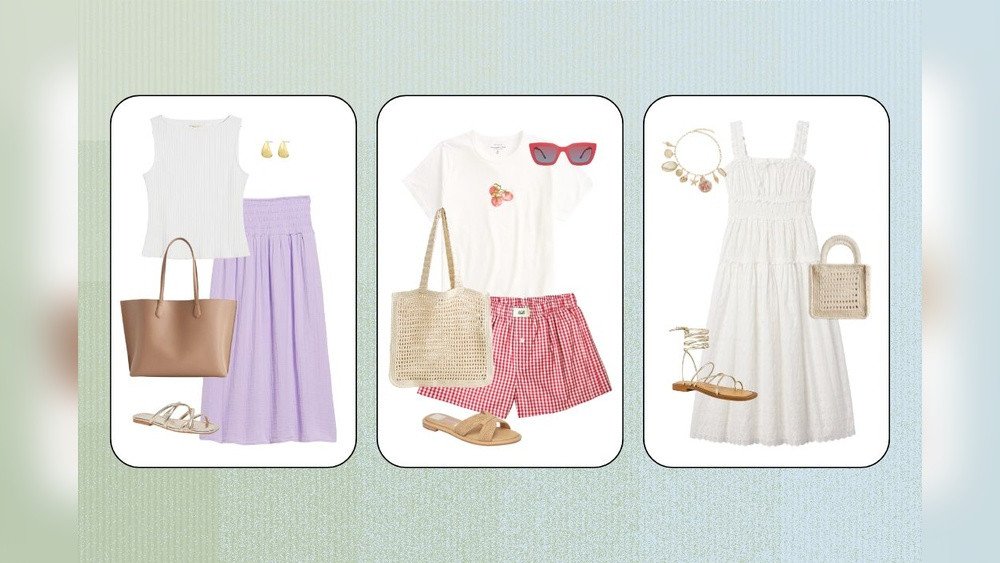
Stepping outside should be a joy, not a guessing game. But how often do you stand at your door, staring at the sky, wondering if you’ll be too hot, too cold, or just plain uncomfortable?
You’ve got better things to do than fret about your outfit. This guide is here to make deciding “what to wear outside” as easy as taking a deep breath of fresh air. We’ll help you dress smartly for any weather, so you can step out with confidence and focus on enjoying your day.
Credit: zcoil.com
Weather-ready Wardrobe
Building a weather-ready wardrobe is smart. It means you are always prepared. You can face any outdoor conditions. Your clothes will keep you comfortable. You will enjoy your time outside more.
Layering Essentials
Layering is key for comfort. It helps you adapt to changing temperatures. Start with a base layer. This layer wicks away moisture. Think thin, breathable fabrics. Next, add an insulating layer. This traps body heat. Fleece or down works well. Finally, add an outer shell. This protects you from wind. It also keeps you dry from rain. Multiple thin layers are better. They offer more flexibility than one thick layer. Adjust layers as needed. Remove one if you get too warm. Add one if you feel a chill.
Seasonal Staples
Certain items are essential year-round. A waterproof jacket is a must. It protects you from rain. A good pair of sturdy shoes is important. They provide support and grip. Comfortable pants are also vital. Choose materials suited for the season. Cotton is good for mild weather. Wool is great for cold. Consider a warm hat. It keeps your head cozy. Gloves are also useful. They protect your hands from cold. A scarf adds extra warmth. It shields your neck from wind.
Accessorizing For The Elements
Accessories complete your outdoor gear. Sunglasses protect your eyes. They are vital on sunny days. A hat with a brim offers shade. It shields your face from the sun. Sunscreen is also important. Protect your skin from burns. A sturdy backpack carries essentials. It holds water, snacks, and extra layers. Consider a water bottle. Staying hydrated is crucial. A small first-aid kit is wise. It helps with minor injuries. These items enhance your outdoor experience.
Credit: www.bedroomathletics.com
Occasion Dressing
Choosing what to wear outside depends on the event. Occasion dressing means picking the right outfit. It shows respect for the occasion. It also boosts your confidence. Let’s explore different event styles.
Casual Cool
Casual outings need comfort. Think relaxed yet stylish. Jeans are a great choice. Pair them with a nice t-shirt. A simple button-down shirt works too. Sneakers add to the cool vibe. A light jacket is perfect. This look is effortless. It suits many everyday activities.
Smart Casual Sophistication
Smart casual bridges the gap. It’s polished but not stuffy. Chinos are a good option. Try them with a polo shirt. A crisp blouse is also fitting. A blazer elevates the look. Loafers or stylish flats work well. This style suits dinners. It’s good for casual Fridays at work.
Formal Finesse
Formal events require elegance. Dresses are a classic choice. Choose a cocktail dress. A suit is another option. For men, a tuxedo is ideal. For women, a long gown works. High heels complete the ensemble. Jewelry adds a touch of sparkle. This look is for special nights. Think weddings or galas.
Building Your Look
Building a great outdoor look is an art. It goes beyond just throwing on clothes. You create a cohesive outfit. Think about how each piece works together. This makes your style shine. It shows you put thought into it. Let’s explore how to build your perfect outdoor ensemble.
Color Coordination
Pick colors that look good. Choose a few main colors. Stick to a simple palette. Use neutrals as a base. Add pops of bright color. This creates visual interest. It avoids a messy look. Harmonious colors are key.
Fabric Choices
Select fabrics for comfort. Consider the weather. Breathable fabrics are good. Cotton is a natural choice. Wool keeps you warm. Synthetics offer durability. They dry quickly too. Choose fabrics that feel good. They should also perform well.
Fit And Silhouette
Ensure clothes fit properly. Not too tight, not too loose. A good fit is flattering. It allows easy movement. Think about your body shape. Choose silhouettes that complement you. A-line skirts are classic. Straight-leg pants are versatile. Build a balanced shape. This enhances your natural form.
Credit: www.utires.com
Frequently Asked Questions
What To Wear For Outdoor Activities?
Choose comfortable, weather-appropriate clothing. Layers are key for changing temperatures. Think breathable fabrics for warm days.
How To Dress For Unpredictable Weather?
Layering is your best friend. Start with a base layer. Add an insulating middle layer. Top with a waterproof outer shell.
What Are Good Clothes For Hiking?
Wear moisture-wicking shirts and pants. Good hiking boots are essential. A hat protects from sun and rain.
What To Wear For A Casual Outdoor Event?
Opt for comfortable jeans or shorts. A t-shirt or casual shirt works well. Sneakers are a practical choice for footwear.
Conclusion
Dress smart for the outdoors. Choose clothes for the weather. Comfort is key always. Be ready for anything. Enjoy your adventures outside.